
Meta description:
Before a customer calls you, emails you, or walks through your door, they search your name. What they find in those first few results often decides whether they trust your business or move on to a competitor. A single negative review, outdated article, or unanswered complaint can quietly cost you sales, opportunities, and credibility long before you ever know it happened.
This is where online reputation management comes in. Online reputation management is not about reacting when things go wrong. It is about actively shaping how your business appears across search results, reviews, and online conversations. By monitoring brand mentions, managing customer feedback, and strengthening positive content, businesses can protect their brand before small issues turn into lasting damage.
At Javalogix, we see reputation as a business asset, not a vanity metric. Our approach to online reputation management focuses on control, consistency, and long term trust. We help businesses understand how they are being perceived online and put systems in place to protect their reputation, strengthen credibility, and support sustainable growth.
What Is Online Reputation Management?
Online reputation management is how a business controls the story people find when they search its name. It goes beyond watching reviews or replying to comments. It is a structured, ongoing effort to influence perception across search results, review platforms, and online conversations that shape buying decisions.
When someone Googles your company, they are not just looking for information. They are deciding whether you are credible, reliable, and worth their time. Online reputation management focuses on what shows up in those moments and why. That includes reviews, brand mentions, articles, listings, and the tone of conversations happening around your business.
The difference between reputation monitoring and reputation management is action. Monitoring tells you what people are saying. Management determines what happens next. That can mean addressing unresolved feedback, strengthening positive assets, correcting outdated information, or building content that clearly reflects who you are today.
Strong online reputation management connects customer experience, search visibility, and brand trust into one system. When done properly, it gives businesses control instead of forcing them to react after damage is already done.
Why Online Reputation Management Matters to Your Business
Revenue and buying decisions
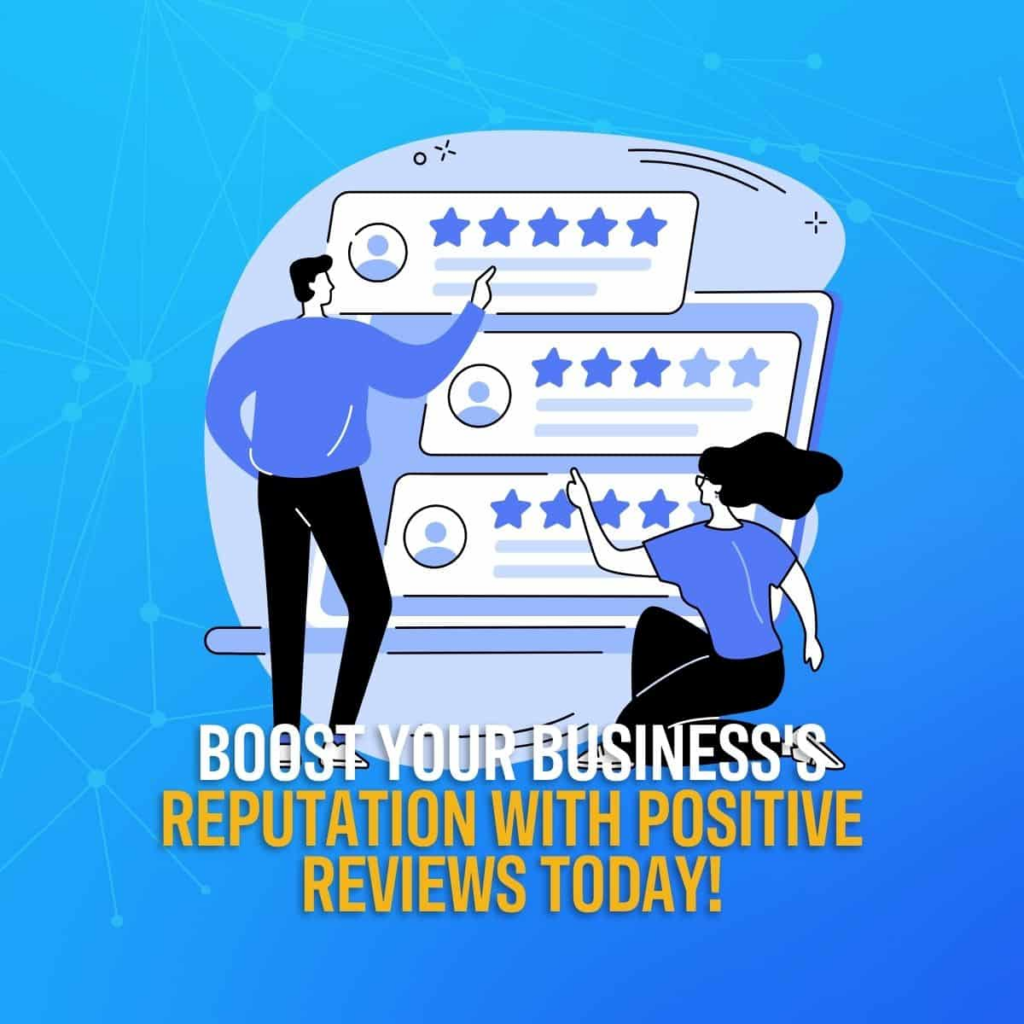
Most customers will check reviews and search results before they contact you. If they see unresolved complaints, low ratings, or confusing information, many will leave without ever reaching out. A strong reputation removes friction from the buying process and makes choosing you feel safe.
Trust and credibility
Trust is built long before a conversation starts. Consistent, thoughtful responses and positive visibility show that your business is active, accountable, and customer focused. Silence or neglect sends the opposite message.
Search visibility and control
Search engines reward brands with clear, trustworthy signals. Positive reviews, accurate listings, and strong content help your business rank better while pushing harmful or irrelevant results down. Reputation directly affects how visible you are.
Long-term brand risk
Negative content does not disappear on its own. Left unmanaged, it compounds over time and becomes harder to fix. Reputation management reduces long-term exposure and protects the brand you are building.
Hiring and partnerships
Potential employees, investors, and partners research businesses just like customers do. A weak online reputation limits growth opportunities you may never even know you lost.
How Businesses Use Online Reputation Management in Practice
Effective online reputation management follows a process, not a checklist. It starts with understanding how your business is currently perceived and where risks exist. That insight guides every action that follows.
First comes visibility. Businesses need to know where their brand is being discussed, reviewed, or referenced. Without that awareness, problems grow unnoticed. Once visibility is established, response strategy becomes critical. Not every review deserves the same approach. Public responses should show accountability and clarity, while private follow ups should aim to resolve issues and recover trust.
Content plays a different role. It is not about publishing for the sake of activity. It is about strengthening accurate, positive signals that reflect your real value. That includes optimized pages, customer stories, and authoritative content that earns trust over time.
When these elements work together, reputation management stops being reactive. It becomes a system that protects credibility, supports growth, and prevents small issues from becoming lasting damage.
Search Engine Reputation Management and Page One Control
Search engine reputation management focuses on one critical space: the first page of Google. This is where opinions are formed and decisions are made. If you do not actively manage it, you are leaving your reputation to chance.
Page one control means shaping what appears when someone searches your brand name. That includes review platforms, business listings, articles, and owned content. The goal is not to hide criticism, but to ensure that accurate, relevant, and positive information is easy to find.
Without a strategy, negative results can dominate simply because nothing stronger exists to replace them. Search engines rank what is most relevant and trusted. Businesses that invest in strong reputation assets gain more control over what customers see first.
Search engine reputation management is not a one time fix. It requires consistency, optimization, and ongoing attention. When done properly, it protects trust at the exact moment it matters most.
DIY Reputation Management vs Professional Support
Many businesses try to manage their reputation on their own, usually on top of running everything else. While this works in early stages, it often breaks down as the business grows.
DIY efforts tend to be reactive and inconsistent. Responses are delayed, emotions get involved, and important signals are missed. Tools may exist, but without strategy, they rarely deliver meaningful results.
Professional reputation management brings structure, objectivity, and experience. It allows businesses to stay focused on operations while knowing their reputation is being actively protected. More importantly, it replaces guesswork with clear priorities and measurable progress.
The real cost of DIY reputation management is not time. It is missed opportunities, unresolved issues, and long term brand risk.
How Javalogix Helps Businesses Protect Their Reputation
Javalogix approaches online reputation management as a business system, not a surface level service or a one time fix. The focus is on control, clarity, and long term protection because reputation directly affects revenue, trust, and growth.
Every engagement starts with a clear assessment of how your brand actually appears online today. That means looking at search results, review platforms, business listings, and brand mentions to identify risks, gaps, and missed opportunities. From there, strategies are built around real business priorities, not templates or generic best practices. This includes structured review response frameworks, search visibility improvements, and content that reinforces credibility where customers are making decisions.
What sets Javalogix apart is the balance between strategy and execution. You are not handed a report and left to figure it out on your own. You get clear direction, hands on support, and ongoing optimization tied to measurable outcomes. The goal is not just to look better online, but to protect your brand and support sustainable growth.
If your reputation influences sales, hiring, or partnerships, it deserves the same attention as any other core business function. Book a reputation strategy call with Javalogix and take control of what your customers see before they choose.
Frequently Asked Questions About Online Reputation Management
Why is online reputation management important?
Online reputation management directly affects trust, search visibility, and buying decisions. Customers rely on reviews and search results to judge credibility. Managing those signals protects revenue and long term brand value.
What is search engine reputation management?
Search engine reputation management focuses on shaping what appears on page one of Google for branded searches. It prioritizes accurate, positive content while reducing the impact of negative or outdated results.
How long does online reputation management take to work?
Initial improvements can appear within weeks, especially with review responses and listings. Strong, lasting results usually build over several months as search visibility and trust signals improve.
TL;DR Online Reputation Management (ORM) is crucial for businesses to shape how they are perceived online. It involves monitoring brand mentions, responding to reviews strategically, and ensuring positive content ranks well in search results. ORM protects against long-term damage, influences customer trust, and can enhance visibility on search engines. Companies can adopt professional ORM services which offer expertise and ongoing support, such as those provided by Javalogix, to proactively manage their reputation. In essence, effective ORM strategies enable businesses to maintain a positive image, foster customer loyalty, and drive growth.