

If your website is getting impressions but not clicks, or traffic but no real growth, something deeper is usually wrong. Rankings do not stall by accident. They stall because search engines see gaps your reports are not explaining.
A comprehensive SEO audit is not about running a few tools and listing errors. It is about understanding why your site is being held back, what your competitors are doing better, and which fixes will actually move the needle. Most businesses have already paid for an audit at some point. Few have received one that led to measurable improvement.
At Javalogix, we approach SEO audits as strategic diagnostics, not generic checklists. We look at how your technical foundation, content, keywords, and authority signals work together in real search environments. Every issue is tied to impact, and every recommendation is prioritized based on results, not theory.
What Is a Comprehensive SEO Audit?
A comprehensive SEO audit is a deep evaluation of how your website performs in real search environments, not just how it looks inside SEO tools. It examines how search engines crawl, understand, and rank your site, then translates that data into clear decisions that improve search rankings.
Most SEO audits stop at surface-level findings. They flag issues in Google Search Console, list warnings from SEO tools, and leave businesses overwhelmed with data but unsure what to fix first. A true Site Audit goes further. It explains why certain issues are holding back search engine ranking, how those issues affect User Experience, and which actions will actually change your position in search results.
At Javalogix, SEO audits are built around outcomes. We analyze technical performance, on-page SEO, content optimization, internal links, and authority signals together, not in isolation. Every insight is tied to impact, whether that is crawl efficiency, page speed, or visibility across search engines. The goal is not to produce a report. The goal is to uncover what is limiting growth and provide a clear path forward.
A comprehensive SEO audit replaces guesswork with clarity and turns scattered data into a focused strategy.
What Makes an SEO Audit Truly “Comprehensive”?
An SEO audit becomes comprehensive when it moves beyond checklists and starts answering hard questions. Why are pages indexed but not ranking? Why does traffic stall even after content updates? Why do competitors outrank you with similar pages?
The difference is outcomes. A strong audit connects technical issues directly to ranking impact. Slow page speed is not just a metric. It affects Core Web Vitals, User Experience, and visibility in competitive search results. Broken internal links are not minor errors. They disrupt crawl paths and weaken search engine signals.
A comprehensive SEO audit also prioritizes fixes based on return, not volume. Hundreds of issues do not matter if only ten are blocking growth. At Javalogix, we focus on ranking factors that influence search engines today, not outdated best practices.
Most importantly, a real audit accounts for competition. Your site does not rank in isolation. Search engine ranking depends on how your content, authority, and structure compare to others targeting the same keywords. Without competitive context, SEO audits become theoretical.
This approach separates strategic audits from generic reports and turns insight into action.
What Does a Detailed SEO Audit Include?

A detailed SEO audit covers every layer that influences how search engines evaluate your site. It does not overwhelm you with categories. It shows how each layer affects performance when left unresolved.
Technical SEO Issues That Block Rankings
Technical SEO determines whether your site can compete at all. Crawl waste, index bloat, and poor site architecture confuse search engines and dilute authority. Core Web Vitals, page speed, and mobile usability directly influence User Experience and act as a ranking factor in competitive markets. Issues like missing Canonical tags, broken redirects, and an incomplete XML sitemap can prevent pages from appearing correctly in search results. These problems often exist silently and suppress growth until addressed through a proper Site Audit using Search Console and Google Search Console data.
On-Page and Content Gaps
On-page SEO failures often come down to intent mismatch. Pages rank poorly when content does not align with what users expect to find. Thin pages, outdated information, weak Meta Descriptions, and poor internal links reduce relevance and engagement. Content optimization focuses on structure, clarity, and usefulness, not keyword stuffing.
Keyword and Competitive Analysis
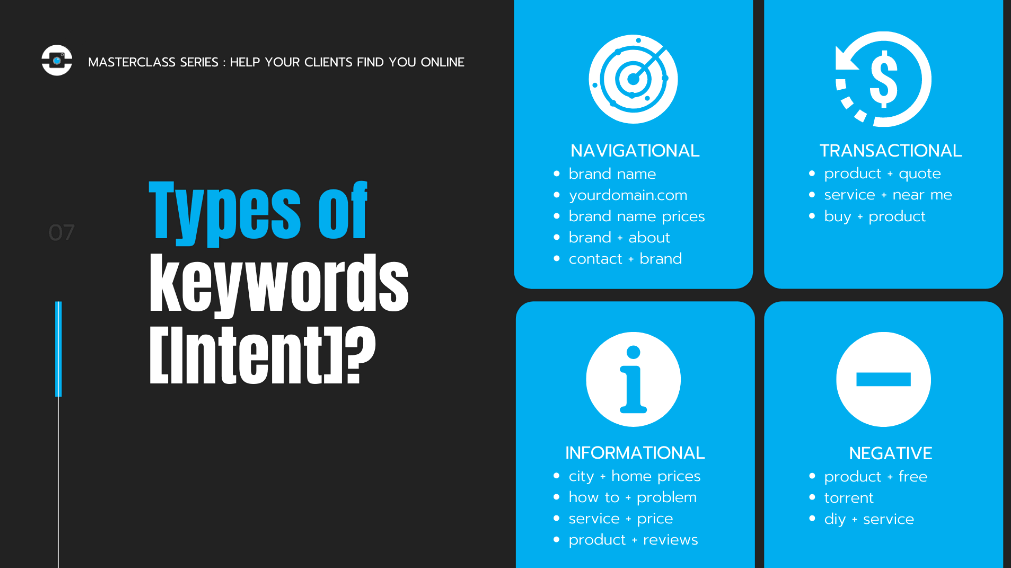
Ranking difficulty matters more than volume. Targeting keywords without understanding competition leads to wasted effort. Intent drives search engine ranking more than density ever did.
Backlinks and Authority Signals
Sites plateau when authority gaps go unaddressed. Toxic links harm trust, while missing links limit growth even when content is strong.
Why Most SEO Audits Do Not Lead to Traffic Growth
Many businesses invest in SEO audits expecting momentum, only to see no change. The issue is rarely effort. It is execution.
Most SEO audits rely too heavily on SEO tools and not enough on judgment. They generate long lists of errors without prioritization. Everything looks important, so nothing gets done. Without clear direction, teams stall and search rankings remain unchanged.
Another common failure is misalignment with business goals. An audit might focus on technical perfection while ignoring revenue-driving pages. Fixing low-impact issues does little for search engine ranking when core pages are underperforming.
Many audits also stop at findings. There is no roadmap, no sequencing, and no explanation of how fixes influence search engines over time. Without competitive context, recommendations lack urgency and relevance.
At Javalogix, SEO audits are built to drive action. Each insight is ranked by impact, effort, and opportunity. The result is clarity, not confusion. Growth happens when audits guide decisions, not when they collect dust.
When Should a Business Invest in a Comprehensive SEO Audit?
A comprehensive SEO audit becomes necessary when performance plateaus or declines without a clear explanation. If your rankings remain stuck despite content updates, something structural is likely holding you back.
Traffic drops after a redesign are another strong signal. Changes to URLs, internal links, Canonical tags, or page speed often disrupt search engine signals. Without a Site Audit, these issues remain hidden.
Businesses scaling into new markets or services also benefit from SEO audits. Search engines evaluate relevance differently as competition increases. What worked before may not hold up in more aggressive search results.
Finally, companies preparing for growth need clarity. A comprehensive SEO audit ensures that effort is invested where it matters most. At Javalogix, audits are often the turning point between stalled visibility and sustained search engine ranking improvement.
Comprehensive SEO Audits for Toronto, Ottawa, and Competitive Markets

SEO audits look different in competitive regions. In markets like Toronto and Ottawa, small technical or content gaps can separate page one from page three. Search engines apply the same rules everywhere, but competition raises the standard.
A comprehensive SEO audit in these markets focuses heavily on differentiation. Page speed, Core Web Vitals, internal links, and content optimization must outperform competitors, not just meet baseline requirements. Authority signals and backlink quality also play a larger role in search rankings where many businesses invest aggressively in SEO.
Javalogix tailors SEO audits to market conditions. Competitive analysis is deeper, prioritization is sharper, and recommendations reflect real-world ranking pressure. This approach ensures audits remain actionable, even in crowded search results.
What You Should Expect After an Effective SEO Audit
An effective SEO audit should leave you confident, not overwhelmed. The most important deliverable is a prioritized issue list that explains what to fix first and why it matters.
You should receive clear explanations in plain language. Technical findings from Google Search Console or Search Console data should be translated into business impact. A strong audit includes a fixed roadmap, not just findings. Each recommendation should connect to search engine ranking, User Experience, or visibility in search results.
Measurable next steps matter. At Javalogix, SEO audits outline how progress will be tracked and which metrics indicate improvement. This removes uncertainty and sets realistic expectations.
Turn SEO Insights Into Measurable Growth
If your SEO efforts feel busy but ineffective, that is not a failure of effort. It is a signal that the right insights are missing. Search engines reward clarity, relevance, and execution. Without a clear understanding of what is holding your site back, even strong content and consistent updates struggle to gain traction.
A comprehensive SEO audit should give you more than answers. It should give you direction. It should tell you where to focus, what to fix first, and how those changes will influence search rankings over time. That is where most audits fall short and where the right partner makes the difference.
At Javalogix, we do not deliver reports for the sake of documentation. We deliver SEO audits that create momentum. Every audit is designed to uncover real constraints, prioritize meaningful fixes, and give you a roadmap you can actually act on.
If you are ready to stop guessing and start making informed decisions that move your site forward, a comprehensive SEO audit from Javalogix is the next step.

Frequently Asked Questions
What is included in a comprehensive SEO audit?
A comprehensive SEO audit evaluates technical performance, on-page SEO, content quality, internal links, authority signals, and competitive positioning. It focuses on how these elements affect search rankings and user experience, not just on listing errors from SEO tools.
How is a comprehensive SEO audit different from a basic site audit?
A basic site audit highlights surface-level issues. A comprehensive SEO audit explains why those issues matter, how they impact search engine ranking, and which fixes should be prioritized to drive measurable growth.
How often should a business conduct an SEO audit?
Most businesses benefit from a full SEO audit once or twice a year, or after major changes like a site redesign, traffic drop, or expansion into competitive markets such as Toronto or Ottawa.
How long does it take to see results after an SEO audit?
Results depend on the scope of fixes and competition, but businesses typically see early improvements in crawl efficiency, page speed, and rankings within weeks once high-impact recommendations are implemented.
TLDR
A comprehensive SEO audit reveals why your site is not ranking, prioritizes fixes that matter, and provides a clear roadmap to improve visibility, traffic, and search engine rankings.