














Mobile Web Design

Importance of Mobile Web Design
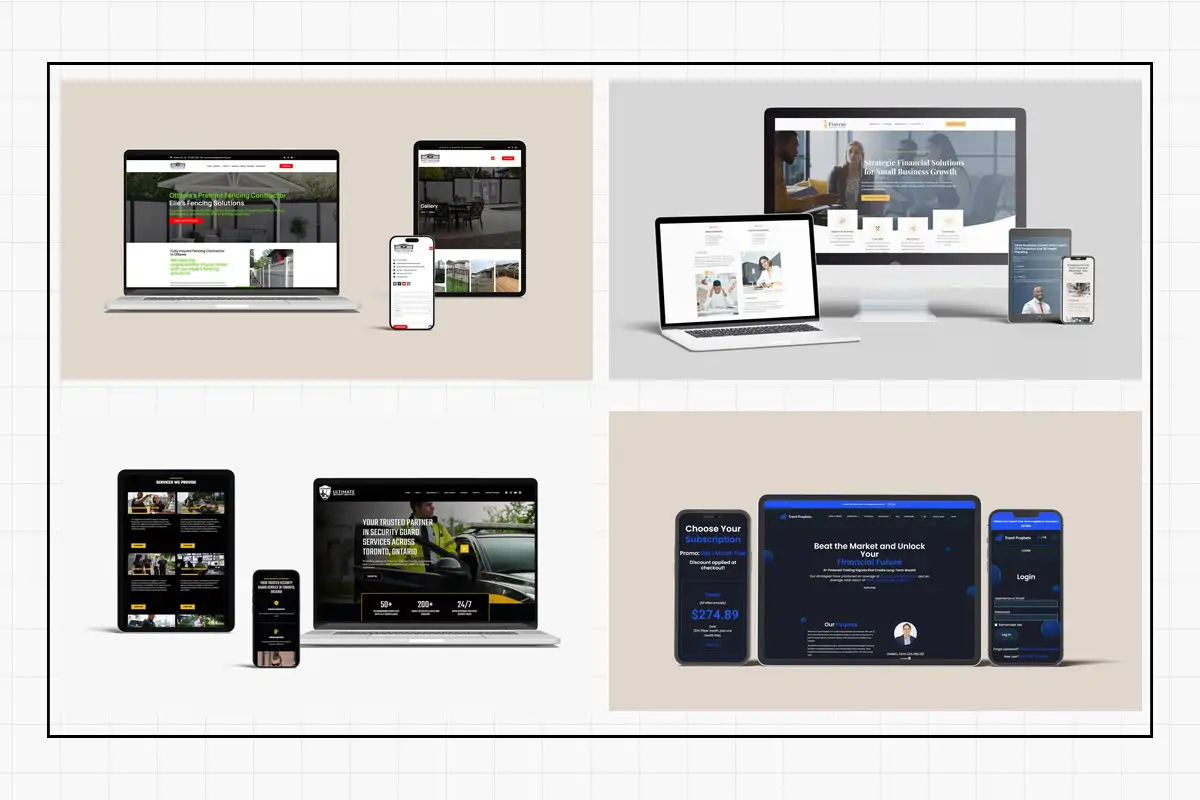
In the rapidly advancing digital era, the necessity of having a well-crafted mobile web design is increasingly crucial. Given the growing reliance on mobile devices, ensuring your website is optimized for smaller screens is a non-negotiable aspect of modern digital strategy. At Javalogix, we’ve observed firsthand how intuitive mobile web design can dramatically improve user engagement and retention. This isn’t just about scaling down desktop content; it’s about creating an entirely new user experience that aligns with the users’ expectations while on the go.
Here in Toronto, where we serve a diverse clientele, businesses across sectors are noticing the power of mobile web design. It allows for seamless navigation, faster load times, and a more personable user journey. These factors significantly influence a company’s online presence, impacting not only user satisfaction but also conversion rates. I recall working on a project for a boutique retailer, where the redesigned mobile site increased their online sales by 30% within the first month.
Key Elements of Effective Design
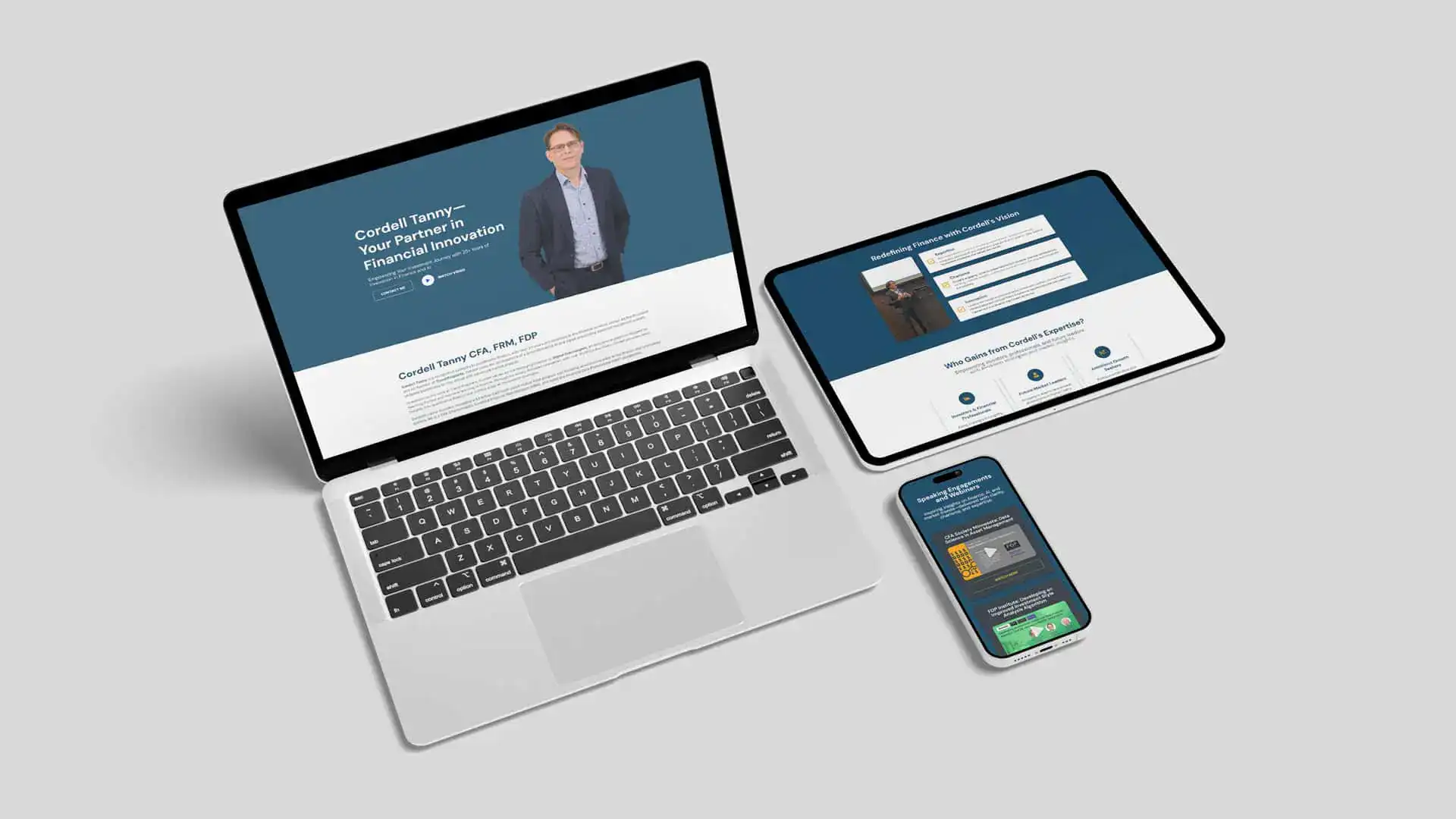
Creating outstanding mobile web design involves several key elements, each contributing to the overall functionality and appeal. First, the use of responsive design ensures that your site looks fantastic on any device, adapting gracefully to different screen sizes and resolutions. Responsive design isn’t just a trend–it’s a fundamental shift in how we approach web development.
Equally important is the focus on speed and performance. Mobile users are often on the move, and they demand swift access to information. Optimizing images, compressing files, and minimizing server response times are just a few strategies we employ at Javalogix to keep sites running smoothly on mobile devices. In one of our recent projects, these optimizations resulted in a 50% reduction in bounce rates for a client.
A user-centered interface can make or break a mobile experience. Incorporating intuitive navigation, clear call-to-action buttons, and readable typography are essential to guide users effectively. Our team often conducts user testing to gather feedback, ensuring that the design meets real-world needs and expectations. This collaborative approach helps us refine each element of mobile web design to perfection.
Mobile Web Design Trends
The landscape of mobile web design is constantly evolving, with new trends emerging that challenge conventional practices. At Javalogix, we’re continuously researching and experimenting with the latest tools and techniques. A trend we’ve been keenly following is the rise of progressive web apps (PWAs). These apps provide users with an experience akin to native apps but operate within a web browser. They offer offline capabilities and fast loading times, which greatly enhance user engagement.
Another trend worth noting is voice-optimized interfaces. With the growth in popularity of voice-activated devices, optimizing mobile web design for voice search is becoming increasingly critical. This involves rethinking content structure and SEO strategies to align with natural language queries. It’s a challenge but also an exciting opportunity to reach users in innovative ways.
Lastly, dark mode designs are gaining traction, offering users an eye-friendly viewing option that helps conserve battery life on OLED screens. By integrating such features, businesses can appeal to a broader audience and keep up with consumer preferences. Our experiences at Javalogix show that staying ahead of these trends not only sets our clients apart but also fosters stronger connections with their audiences.
Future of Mobile Web Design
As we look to the future, mobile web design will continue to be a central element of digital marketing strategies. Developments in artificial intelligence and machine learning are poised to revolutionize the user experience. AI-driven personalization can provide users with tailored content and recommendations, enhancing engagement and satisfaction. At Javalogix, we’re exploring how these technologies can be seamlessly integrated into mobile designs to offer truly individualized experiences.
The use of augmented reality (AR) in mobile web design is another area with immense potential. AR can transform how users interact with products, providing immersive, 3D experiences directly through their browsers. This technology can be particularly effective in sectors like retail and real estate, where a detailed product view can influence purchasing decisions.
With these advancements, the role of mobile web design will expand beyond just aesthetics and functionality. It will become an integral part of how brands communicate their story and connect with their audience. At Javalogix, we are committed to staying at the forefront of these innovations, ensuring that our clients are equipped to meet and exceed the expectations of the future digital landscape.
Mobile web design is not just a feature–it’s the foundation of a successful digital presence. By embracing these trends and technologies, businesses can unlock new possibilities and achieve remarkable growth in the ever-competitive online marketplace.

The Importance of Web Design for Restaurateurs
In today’s fast-paced digital era, a restaurant’s web design plays a pivotal role in attracting and retaining customers. At Javalogix, we recognize that web design for restaurant businesses is not merely about aesthetics; it’s about creating a seamless experience that reflects a restaurant’s brand and values. A well-designed website can guide potential diners through your menu, offer insight into your culinary ethos, and ultimately influence their dining choices.
Our team often emphasizes that first impressions matter. A cluttered or outdated website can be off-putting and might lead to potential customers looking elsewhere. Meanwhile, a clean, modern design that aligns with the ambiance of your physical space can entice a visitor to make a reservation or even order directly online. This is why we focus on integrating intuitive navigation, visually appealing layouts, and an engaging user experience.
In my years of working with various restaurant owners, I’ve seen how web design can impact not just visitor numbers but also a restaurant’s reputation. When customers find your site easy to use and visually appealing, it increases the likelihood of positive word-of-mouth, both online and offline.
Key Elements of Effective Restaurant Web Design
There’s more to web design for restaurant owners than meets the eye. A successful restaurant website should incorporate several crucial elements that work harmoniously to deliver an outstanding user experience. We often recommend focusing on these key components to our clients:
- Visual Appeal: High-resolution images and a color scheme that complements the restaurant’s brand.
- Responsive Design: Ensure the site performs well on any device, be it a smartphone, tablet, or desktop.
- Clear Call-to-Actions (CTAs): Make booking tables, checking the menu, or ordering food online simple and accessible.
- SEO Optimization: Integrating SEO strategies can help your restaurant appear on search engines, thus increasing visibility.
Real-World Insights and Experiences
Over the years, Javalogix has had the privilege of transforming online presences for eateries of all shapes and sizes. One memorable experience was working with a small bistro in Toronto that had never made a digital footprint. After revamping their web design for restaurant relevance, the owner saw a 30% increase in online table bookings within the first three months. This profound impact not only brought in new customers but also encouraged repeat visits.
Our strategy extends beyond just creating a beautiful website. For one client, integrating an interactive menu allowed customers to visually explore dishes, which heightened their dining anticipation. Such interactive elements can significantly enhance engagement and lead to increased sales and customer satisfaction.
Javalogix is committed to empowering restaurateurs by not just meeting but exceeding their digital expectations. We understand that web design for restaurant businesses is about marrying creativity with functionality, ensuring each establishment’s unique story is told effectively online. In this digital age, we stand ready to help you capture hearts and appetites alike.
In conclusion, our tailored approach to web design for restaurant owners ensures that every online visitor transitions into a loyal customer. Let us assist you in navigating this digital journey, where innovation and tradition meet to craft unforgettable dining experiences.
Design Foundations in Web Design for Marketing
The essence of web design for marketing lies in creating a visually appealing and user-friendly platform that effectively communicates a brand’s message. At Javalogix, we prioritize a harmonious blend of aesthetics and functionality, ensuring that every website we craft serves as a powerful marketing tool. From the color scheme that reflects your brand identity to intuitive navigation that enhances user experience, every element is meticulously designed.
We are firm believers in responsive design, firmly rooted in the belief that a website must be accessible across all devices, whether it’s a smartphone or a desktop. This ensures that your potential customers have a seamless experience, regardless of how they access your site. We’ve seen that responsive design not only boosts engagement but also positively impacts SEO, an essential aspect of web design for marketing.
Another cornerstone of our approach is performance optimization. A slow-loading site can turn away visitors before they even see your content. Our team optimizes every aspect of the site to ensure speed and efficiency, leveraging the latest technologies to enhance the user experience and improve conversion rates.
Content Strategy and Its Role
Content is king, and in the realm of web design for marketing, it rules supreme. Crafting compelling content that resonates with your audience is key to driving engagement and achieving marketing goals. At Javalogix, we tailor content strategies that align with your business objectives, focusing on messaging that speaks directly to your target market.
Our team often employs storytelling techniques to make content more relatable and memorable. By weaving narratives that connect with your audience’s needs and aspirations, we turn your website into a dynamic marketing platform that captivates visitors and encourages them to explore further.
Integrating multimedia elements such as videos, infographics, and interactive features can significantly enhance content strategy. These engaging formats not only enrich the user experience but also boost time spent on site, signaling to search engines that your content is valuable and relevant.
Additionally, implementing a robust SEO strategy is crucial. Keywords and phrases must be seamlessly integrated into content, so it resonates with both human visitors and search engines. Our experts excel in optimizing content for discoverability while maintaining its integrity and appeal. This delicate balance is crucial in web design for marketing, as it ensures your site attracts and retains the right audience.
Analytics and Iteration: Continuous Improvement
Once a site is live, the journey doesn’t end. One of the most vital aspects of web design for marketing is continuously analyzing site performance and user engagement. At Javalogix, we utilize advanced analytics tools to gather insights into user behavior, allowing us to make informed decisions about design and content updates.
We’ve found that iterative design processes enable us to refine and enhance a website over time. By responding to user feedback and data-driven insights, we can identify areas for improvement and make necessary adjustments to better meet marketing objectives.
Embracing a culture of continuous improvement has been instrumental in our success at Javalogix. Regular updates not only keep the website fresh and relevant but also ensure it remains aligned with evolving industry trends and consumer expectations. This ongoing commitment to excellence is what sets us apart in the field of web design for marketing.
Why is mobile web design crucial in today’s digital landscape?
Mobile web design is essential because a significant portion of online traffic comes from mobile devices. As our world becomes more dependent on mobile technology, having a well-designed mobile site ensures you’re reaching your audience where they spend much of their time. At Javalogix, we’ve seen firsthand how optimizing for mobile not only enhances user engagement but also boosts conversion rates. Imagine browsing a site on your phone and everything loads quickly and looks just as good as it does on a desktop–it’s a seamless experience, and that’s what users expect today. So, ask yourself, is your site’s mobile experience engaging enough to meet your users’ expectations?
What are the key elements of effective mobile web design?
Effective mobile web design hinges on several critical elements including responsive design, speed optimization, and user-centered interfaces. At Javalogix, we prioritize a responsive design approach to ensure the site adapts beautifully across all screen sizes. Speed is crucial too–the quicker your site loads, the less chance users will bounce. Additionally, a user-centered interface with intuitive navigation and clear call-to-action buttons improves the overall experience. Think about it like this: when was the last time you left a site because it was too slow or hard to navigate? Ensuring these elements are in place could significantly enhance user retention and satisfaction.
What are some emerging trends in mobile web design?
The landscape of mobile web design is always evolving. Currently, we’re seeing a rise in progressive web apps (PWAs) and voice-optimized interfaces. PWAs combine the best of web and mobile apps, offering fast loading times and offline capabilities. Additionally, as voice search becomes more prevalent, optimizing for natural language queries is becoming crucial. At Javalogix, we’re excited about these trends because they allow us to innovate and offer our clients cutting-edge solutions. Are you considering how these trends might fit into your current strategy?
How do you see the future of mobile web design evolving?
The future of mobile web design is likely to be shaped by artificial intelligence and augmented reality. AI can offer personalized user experiences, tailoring content to individual preferences, while AR can bring immersive experiences directly to users’ devices. At Javalogix, we’re experimenting with these technologies to provide our clients with innovative ways to engage their audiences. Imagine a potential customer being able to visualize a product in their own space through their smartphone–it’s not just a possibility, it’s the future. Are you prepared to integrate these advancements into your digital strategy?
Why is web design important for restaurant owners?
Web design is crucial for restaurant owners because it directly impacts first impressions and customer decisions. A well-designed website not only showcases your menu but also reflects your brand’s identity and values. At Javalogix, we focus on creating seamless, visually pleasing experiences that guide potential diners toward making reservations or ordering online. Think about the last time you chose a restaurant based on its website–did the design influence your decision? It’s an essential factor in attracting and retaining customers.
What should restaurant owners focus on in their web design?
For restaurant owners, effective web design should encompass visual appeal, responsive functionality, clear calls-to-action, and strong SEO optimization. Using high-quality images and a color scheme that mirrors your brand can entice visitors, while mobile optimization ensures a pleasant experience across devices. At Javalogix, we emphasize creating an easy gateway for online reservations and menu exploration. How intuitive is your website in guiding a hungry visitor to book a table or order food?
How does web design impact marketing strategies?
Web design is a powerful component of marketing strategies; it’s often the first interaction a potential customer has with your brand. A visually appealing, user-friendly website effectively communicates your brand’s message and values. At Javalogix, we blend aesthetics with strategic functionality to ensure your site acts as a powerful marketing tool. Consider how your current web design reflects your marketing goals–is it aligned with the image and message you wish to convey?
What role does content strategy play in web design?
Content strategy is vital in web design as it guides the creation of meaningful, engaging content that aligns with your business objectives. At Javalogix, we believe in crafting narratives that resonate with audiences, making your website not only informative but also captivating. By integrating SEO strategies and utilizing multimedia elements, your content can significantly enhance user engagement and retention. Think about whether your content speaks directly to your audience–does it tell your story effectively and encourage further exploration?
How important is continuous improvement in web design?
Continuous improvement in web design is critical to keep up with changing user behaviors and technological advancements. At Javalogix, we utilize analytics to gather insights and make iterative updates, ensuring our clients’ websites remain relevant and competitive. Embracing a culture of continuous improvement ensures you’re always meeting and exceeding user expectations. When was the last time you evaluated your site’s performance metrics to identify areas for enhancement?
Resources
- Smashing Magazine – A reputable resource for web design trends, tips, and best practices.
- Nielsen Norman Group – An authoritative source for user experience (UX) research and design.
- W3C – The World Wide Web Consortium provides standards and guidelines for web development.
- American Marketing Association – Offers insights and resources on marketing strategies for businesses.

Branding That Makes You Look Like the Pro You Are
We will help you to create a strong and consistent brand message that will resonate with your customers and help you to build trust and credibility.

A Website That Books Jobs (Not Just Looks Pretty)
We build or optimize your site so it loads fast, ranks well, and turns visitors into appointments—no tech headaches for you.

Content Marketing
We create helpful, easy-to-read blog posts, service pages, and FAQs that answer the questions your customers are already Googling. This positions you as the expert in your area and helps your website show up higher in search results.

Local SEO That Gets You Found
We optimize your Google profile, keywords, and listings so you're showing up when locals search “plumber near me” (and not buried on page 4).

Review Boost & Reputation Management
We'll help you earn more 5-star reviews and make sure your best jobs show up front and center online.

Ads That Drive Real Calls
We run Google and Meta campaigns that bring homeowners to your phone—not just your website. You get leads, not likes.

What you need to know about building a review funnel
Set up an easy, automatic way to gather honest customer reviews on key sites, boosting trust, local search rankings, and standing out from competitors.
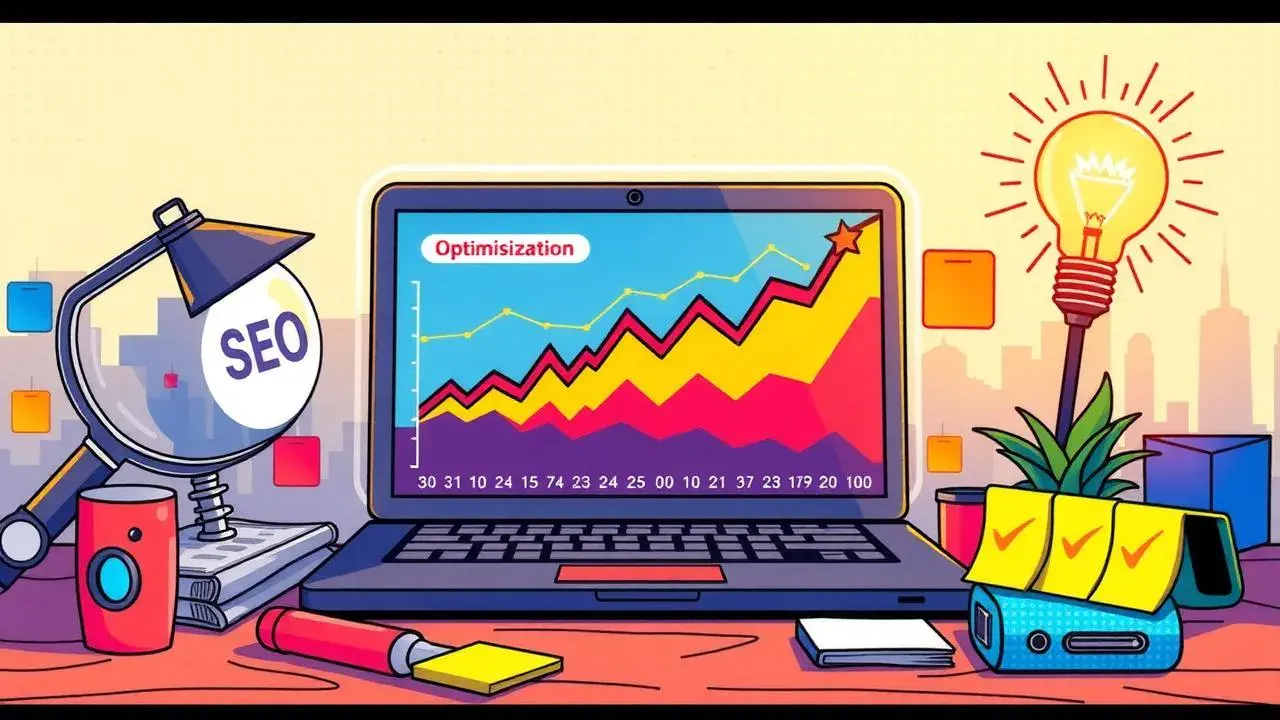
On-Page Keyword Optimization | Ultimate SEO Cheat Sheet
This guide offers essential on-page keyword optimisation strategies for Canadian businesses, emphasising keyword tracking, density, long-tail keywords, and quality content for improved search visibility.

Digital Marketing Agency for Small Business Pricing: What to Expect
Small businesses can expect digital marketing agency fees to vary, with monthly retainers from $1,500 to $10,000 and project-based costs from $1,000 to $30,000.

4 key points to know: WordPress Malware Removal and Hacked Website Recovery
If your WordPress site is hacked, act fast: identify malware, back up files, clear infections, update passwords, and strengthen security to prevent future attacks.
b2b sales teams: discover your next gen ai sales assistant
Generative AI enhances B2B sales by automating tasks and personalising content, enabling sales teams to focus on client relationships while improving decision-making.
top 7 reasons for hiring a branding agency
Hiring a branding company offers expertise, consistency, and advanced tools, making it cost-effective. They enhance marketing strategies, boost engagement, and simplify rebranding processes.