
If you are driving traffic, running ads, and collecting leads but sales still feel inconsistent, the problem is rarely traffic. It is the funnel. In 2026, a lead generation conversion funnel is no longer about pushing people from awareness to purchase. It is about filtering the right prospects, building trust at the right moments, and guiding serious buyers to take action without friction.
Most businesses already have pieces of a funnel in place. A landing page, a form, a follow-up email. What they are missing is alignment. Leads come in, but they are unqualified. Conversations start, but they stall. Marketing and sales are busy, yet revenue does not reflect the effort.
That is where a properly built lead generation conversion funnel changes everything. When conversion is clearly defined and each stage is designed with intent, the funnel stops being a theory and starts becoming a revenue system.
At Javalogix, we approach lead generation funnels as connected systems, not isolated tactics. Every step is built to qualify, nurture, and convert leads based on real behavior and real data. This page breaks down how modern conversion funnels actually work, why most fail, and what it takes to build one that consistently turns attention into customers.
What Is a Lead Generation Conversion Funnel
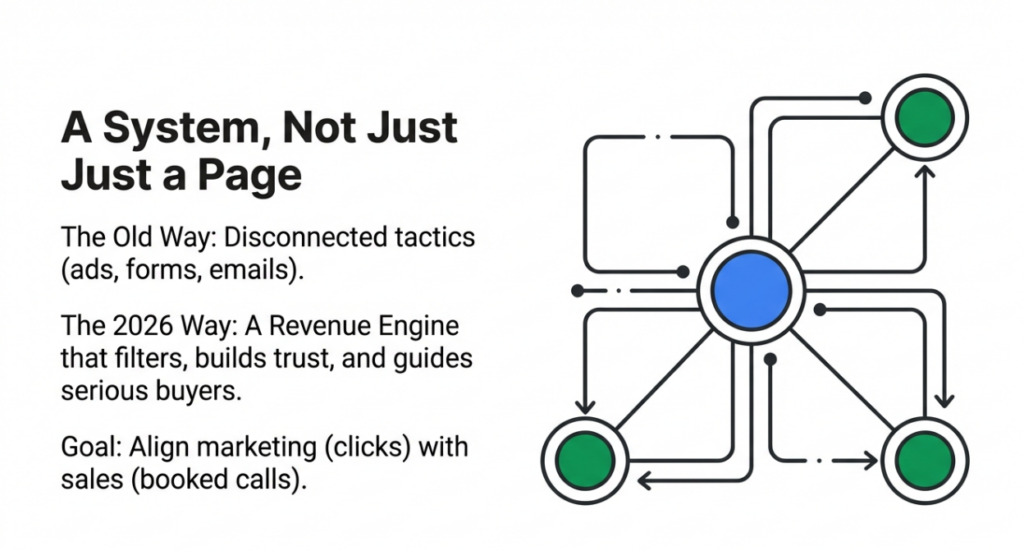
A lead generation conversion funnel is not just a visual model or a marketing concept. It is the system that decides whether your website visitors turn into qualified leads or disappear after the first click. At its core, a funnel defines how strangers become prospects, how prospects become sales qualified leads, and how those leads move into your sales process without friction.
Most funnels break because they focus on volume instead of intent. Traffic increases, forms fill up, but conversion rates stay flat. A real lead generation funnel is designed to filter. It attracts the right website visitors, qualifies them based on behavior, and moves only serious prospects forward. Every step exists to answer one question: is this person likely to buy?
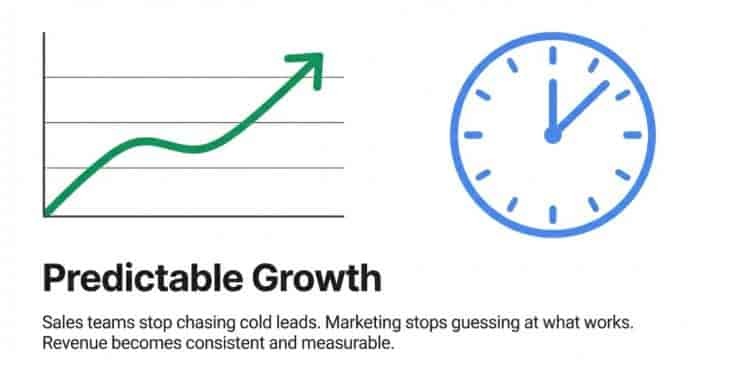
Unlike a traditional sales funnel, which focuses on closing deals, a lead generation conversion funnel sits earlier in the customer journey. Its job is to prepare leads for sales by aligning content marketing, email campaigns, lead nurturing, and lead management into one flow. When done right, sales teams stop chasing cold leads and start conversations with people who already understand the value.
At Javalogix, we treat the funnel as a revenue engine, not a diagram. Each stage is built around decision points, not assumptions. Awareness is about traffic quality, not reach. Interest is about intent, not engagement. Conversion is about removing friction, not adding pressure. That distinction is what separates funnels that look good on paper from funnels that actually produce results.
Why Conversion Matters More Than Traffic
Traffic is easy to celebrate and dangerous to trust. You can double your website visits and still see no change in revenue. That is because traffic on its own does not grow a business. Conversion does.
Every click you pay for or earn has a cost. When visitors land on your site and leave without taking action, that cost compounds quietly. Over time, businesses assume they need more traffic when the real issue is that their funnel is leaking at multiple points. Leads are not qualified early enough. Messaging does not match intent. Follow-up is inconsistent or misaligned with buyer readiness.
Conversion matters because it turns attention into momentum. It forces clarity around what a meaningful action actually is for your business. A demo request, a booked call, a pricing view, or a qualified form submission are not equal. When conversion is clearly defined, every part of the funnel can be measured against outcomes that matter to revenue, not vanity metrics.
This is also where marketing and sales alignment either happens or falls apart. If marketing optimizes for clicks while sales needs qualified conversations, the funnel creates friction instead of flow. A conversion-focused funnel connects both teams around shared definitions, shared metrics, and shared responsibility for results.
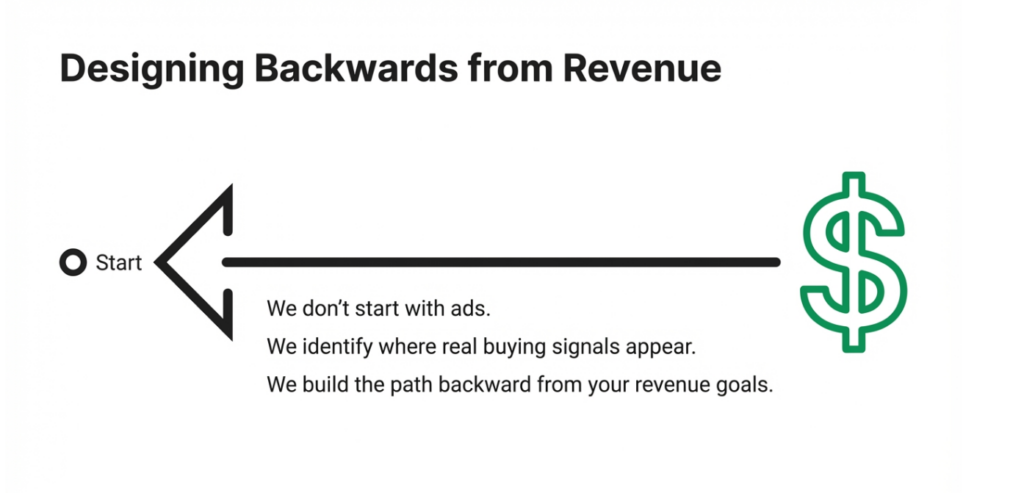
At Javalogix, we design funnels backwards from revenue. We identify where real buying signals appear, then build each stage to move prospects closer to that decision. Traffic becomes a tool, not the goal. Conversion becomes the standard.
Funnel Stages Explained
Top of Funnel: Attracting the Right Visitors
At the top of your funnel, the goal is not just to get visitors; it’s to get the right visitors. Every wasted impression is money lost and attention diluted. Many businesses fall into the trap of chasing reach instead of relevance, filling their top of funnel with unqualified traffic that will never convert. The right approach begins with a clear understanding of your target audience: who they are, what challenges they face, and what motivates them to take action.
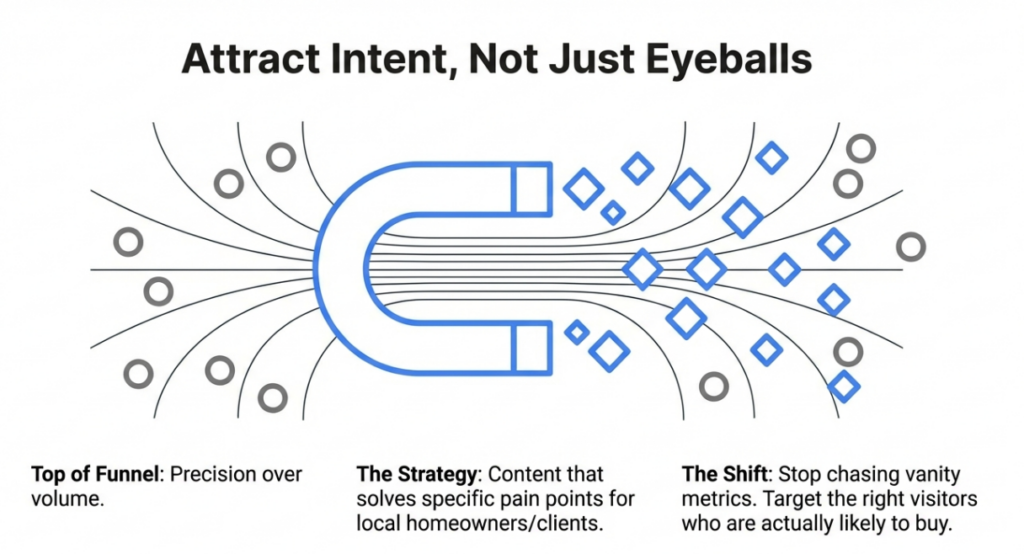
Content is your first handshake. Blog posts, videos, and downloadable resources must speak directly to real pain points, not generic topics. Social media campaigns, paid ads, and influencer partnerships should be designed around intent, ensuring the people who see your messaging are genuinely likely to engage. Lead magnets are critical here, but they work best when they solve a problem that matters to your audience—not just to your brand. Free guides, webinars, or assessments that provide actionable value help earn trust and encourage contact information sharing.
Analytics tools are invaluable. Tracking visitor behavior allows you to identify which content draws meaningful engagement and which channels produce qualified leads. This intelligence helps refine your strategy, so every effort moves the right people into your funnel. At Javalogix, we combine audience insight, content strategy, and targeted outreach to make the top of your funnel precise, measurable, and designed to feed high-quality leads into the next stage.
Middle of Funnel: Capturing and Validating Leads
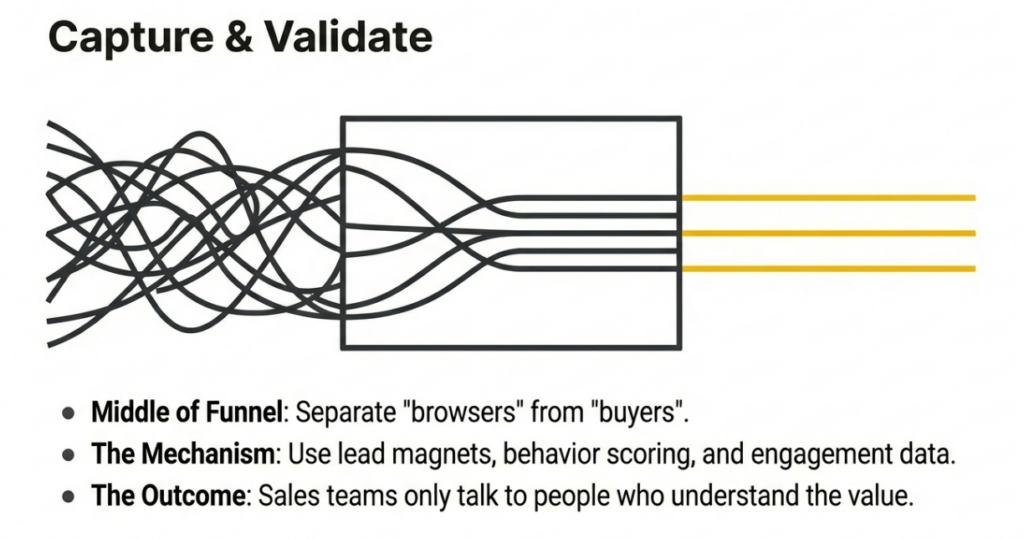
Once you’ve attracted the right visitors, the next challenge is turning their interest into meaningful engagement. This is where many businesses stumble; leads get stuck, communications feel generic, and potential opportunities slip away. Capturing and validating leads effectively requires a balance between providing value and qualifying intent. Every interaction should bring you closer to understanding who is genuinely ready to buy.
Lead capture starts with thoughtful forms, landing pages, and chatbots. Keep the process simple, asking only for the information you need to move the relationship forward. Pair these touchpoints with compelling lead magnets like eBooks, webinars, or free trials that address specific pain points. These tools do more than collect contacts; they signal that your business understands and can solve a real problem.
Validation is equally important. Segmenting leads by behavior, engagement, or demographic data helps ensure your sales team focuses on the most promising prospects. Personalized follow-up emails, surveys, and timely outreach build trust and deepen connections. Social proof, including case studies and testimonials, can reinforce credibility, showing that other customers have solved the same problems with your solution.
At Javalogix, we integrate advanced lead scoring, targeted nurturing campaigns, and CRM systems to make sure every qualified lead moves smoothly through the funnel. The result is a middle stage that doesn’t just collect names; it creates ready-to-buy prospects and strengthens the foundation for conversions downstream.
Bottom of Funnel: Converting Leads into Customers
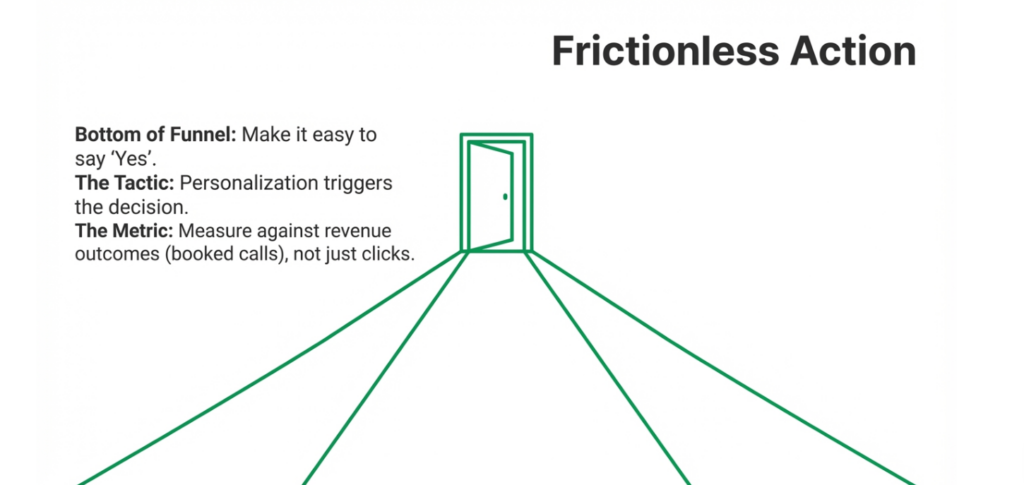
The final stage of your funnel is where all your efforts come together. Leads who reach this point have shown interest and engaged with your content, but conversion is not guaranteed. Many businesses lose prospects here due to unclear messaging, weak follow-up, or overlooked objections. Success requires precision, personalization, and a clear path to purchase.
Begin by defining what conversion looks like for your business. Whether it is a purchase, signup, or consultation request, this clarity guides every interaction. Personalization is critical. Address the specific needs and concerns your leads have expressed throughout their journey. Targeted follow-up sequences and timely communication reassure prospects that your solution fits their situation.
Creating urgency can improve decision-making. Offers with limited availability, exclusive bonuses, or time-sensitive promotions encourage leads to act while still feeling informed. Upselling and cross-selling strategies add value and increase average order size. For example, suggesting complementary products or services based on previous choices can deepen the customer relationship while boosting revenue.
Tracking performance metrics like conversion rates, abandoned cart recovery, and sales-qualified lead scores allows you to identify bottlenecks and optimize your process continuously. At Javalogix, we combine data-driven insights, automation, and strategic messaging to ensure that leads do not just reach the bottom of the funnel. They convert efficiently, creating measurable revenue impact and long-term loyalty for your business.
How to Build a Lead Generation Conversion Funnel Step by Step
Building a lead generation conversion funnel starts with clarity, not tools. Before anything is designed or launched, you need to understand how a real buyer moves from first contact to decision. Without that, funnels become disconnected pages instead of a system.
Step one is defining the outcome.
Decide what a qualified conversion actually is. For some businesses it is a booked call. For others it is a demo request or a pricing inquiry. This definition sets the standard for every stage that follows.
Step two is mapping intent, not touchpoints.
List the questions, objections, and motivations your prospects have at each stage. Awareness content should answer early problems. Consideration content should reduce uncertainty. Conversion content should remove friction and make the next step obvious.
Step three is building each stage with purpose.
Top of the funnel focuses on attracting the right traffic. The middle of the funnel focuses on qualifying and nurturing leads. The bottom of the funnel focuses on decision making. Each stage should have one primary goal and one clear action.
Step four is connecting the system.
Your ads, landing pages, emails, CRM, and sales process must work together. If data is siloed or follow-up is delayed, the funnel breaks. Integration is what turns activity into momentum.
Step five is measuring and improving.
Track drop-offs, response rates, and conversion quality. Small improvements at each stage compound over time.
At Javalogix, we build funnels as living systems. We launch with intention, measure what matters, and refine continuously so your funnel keeps converting as your business grows.
Tools to Optimize Your Conversion Funnel
Optimizing a conversion funnel in 2026 is less about stacking tools and more about choosing the right ones for each stage of the buyer journey. Funnel platforms like HubSpot and ClickFunnels serve different needs. HubSpot is best for teams that want deep CRM integration, lifecycle tracking, and long-term relationship management. ClickFunnels is better suited for fast-moving campaigns, product launches, and simple sales funnels where speed matters more than customization. Pricing reflects this difference, with HubSpot scaling quickly as you add features, while ClickFunnels keeps plans more predictable.
Analytics tools remain the backbone of funnel optimization. Google Analytics shows where users drop off, while tools like Hotjar reveal how they behave on key pages. These insights help identify friction points that cost conversions. A/B testing platforms such as Optimizely allow teams to test headlines, layouts, and calls to action instead of guessing what works.
Real Examples of Successful Funnels
Strong funnels are built on relevance and timing. A SaaS company increased conversions by 40 percent after introducing personalized email follow-ups triggered by user behavior. Instead of sending generic sequences, they aligned messages with how users interacted with their product. In eCommerce, interactive quizzes helped customers find the right products faster, increasing both engagement and average order value.
B2B companies continue to rely on webinars as high-intent lead magnets. One service provider used educational sessions to qualify prospects and grew its lead pool by 25 percent. Local businesses benefit too. A coffee shop used social media and in-person events to build community, driving repeat visits rather than one-time sales.
Subscription brands often see success through personalized upsells based on past purchases. Consulting firms improve close rates by tailoring outreach to each prospect’s challenges. Across industries, the pattern is consistent: funnels work best when they feel personal, useful, and aligned with the audience’s expectations.
Frequently Asked Questions
1. What is a lead generation conversion funnel?
A lead generation conversion funnel is a step-by-step process that helps businesses attract potential customers, guide them through their buying journey, and ultimately convert them into paying customers.
2. How do I know if my funnel is working effectively?
You can tell if your funnel is working by analyzing metrics like the number of leads generated, the conversion rate at each stage, and how quickly leads move through the funnel.
3. What are some common mistakes with conversion funnels?
Some common mistakes include not targeting the right audience, having unclear calls to action, and neglecting to follow up with leads after initial contact.
4. Why is user experience important in a conversion funnel?
User experience is crucial because a smooth and enjoyable experience keeps potential customers engaged and makes them more likely to convert.
5. What tools can help improve my lead generation funnel in 2026?
In 2026, various tools like customer relationship management (CRM) software, email marketing platforms, and analytics tools can help you track leads, automate processes, and improve your funnel’s efficiency.
TL;DR This guide on lead generation conversion funnels in 2026 explores how to effectively turn potential customers into paying ones. It covers what a conversion funnel is, the importance of conversions for business growth, and the stages of the funnel: attracting visitors, capturing leads, and converting them into customers. You’ll find a step-by-step process for building and optimizing your funnel, tools to use, real examples of successful funnels, common mistakes to avoid, and FAQs. The ultimate goal is to help businesses improve their funnels and stand out in a competitive landscape.