
In today’s fast-paced digital landscape, simply having a website is not enough. Your content must work as hard as you do to attract the right audience and drive results. At JavaLogix in Toronto, we help local businesses turn their content into a powerful engine for growth, converting clicks into loyal customers.
The key is understanding user intent and delivering content that answers real questions, solves problems, and provides value. From targeted keyword research and auditing existing materials to creating blogs, videos, and landing pages, a smart SEO strategy ensures every piece of content serves a purpose. Businesses that follow this approach improve search engine rankings, build trust, increase engagement, and grow organic traffic and conversions. Let JavaLogix guide your content from scattered posts to a results-driven strategy.
Defining SEO Content Strategy
An SEO content strategy is a roadmap for creating content that attracts, engages, and converts visitors while meeting search engine requirements. At its core, it focuses on understanding your audience’s needs and preferences and delivering content that answers their questions directly. By identifying what your potential customers are searching for and integrating targeted keywords, you can create blogs, guides, product pages, and other content formats that drive traffic and increase visibility.
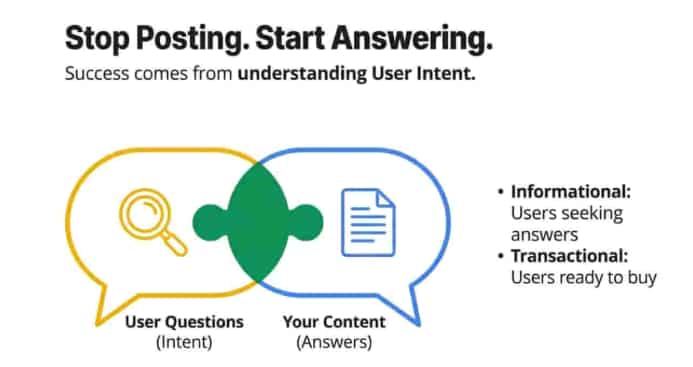
Understanding user intent is crucial. Some visitors are seeking information, while others are ready to make a purchase. Your content should align with these goals, providing clear answers, solutions, or guidance that builds trust and encourages engagement. Incorporating local SEO tactics can further boost your visibility in your city or region, attracting the right audience to your business.
Regular content audits and analytics help refine your strategy over time. Reviewing what works and adjusting what doesn’t ensures your content stays relevant, competitive, and optimized for conversions. Creating audience personas, analyzing competitors, and testing different formats like videos, infographics, and interactive tools can improve user experience and retention.
Finally, properly structured content helps search engines understand your pages, improving rankings and discoverability. A well-planned SEO content strategy aligns your content efforts with business goals, adapts to changing algorithms, and ensures every piece of content contributes to sustainable growth.
Elements of a Successful SEO Strategy
A successful SEO strategy hinges on several key elements that work together to improve visibility and drive conversions. First and foremost, keyword research lays the foundation, helping you identify the topics and phrases your audience is searching for. This allows you to create content that not only attracts visitors but also addresses their needs. Quality content is crucial; it must be informative, engaging, and valuable to keep readers on your page longer, reducing bounce rates and increasing the likelihood of conversions.
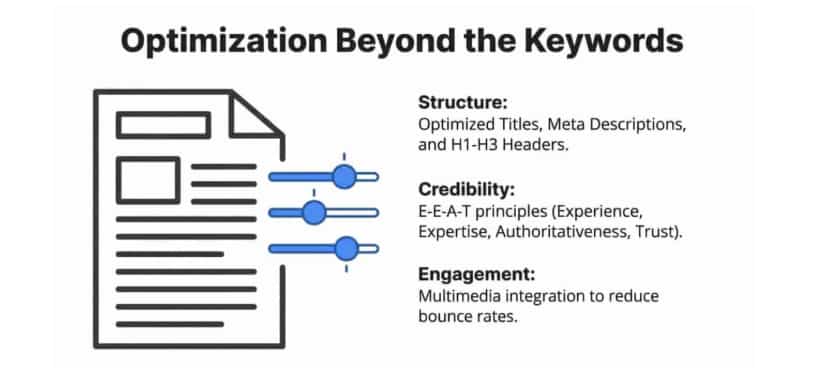
On-page SEO elements play a vital role as well. Titles, headings, and meta descriptions should be optimized to include targeted keywords while still being appealing to users. This helps search engines understand your content better and can lead to higher rankings. Additionally, backlinks from reputable websites can significantly enhance your authority, signaling to search engines that your content is trustworthy and relevant.
User experience cannot be overlooked. Factors like site speed and mobile-friendliness directly impact how users interact with your site, affecting both SEO performance and conversion rates. Regularly updating your content keeps it fresh and relevant in the eyes of search engines, which can positively influence your rankings.
Utilizing social media channels can further amplify your content’s reach and engagement, driving more traffic to your website. Incorporating clear calls-to-action throughout your content guides users toward desired outcomes, whether that’s signing up for a newsletter or making a purchase. Lastly, monitoring your competitors can reveal gaps in your own strategy, presenting opportunities for improvement.
Using analytics tools helps you track performance and make data-driven adjustments, ensuring your SEO strategy evolves with changing trends and user behavior.
Strategies to Build Your SEO Content Strategy
Define Your Goals
Begin by setting clear marketing goals and measurable outcomes. Determine key performance indicators (KPIs) such as monthly website visits, lead generation, or conversion rates. Include broader objectives like increasing brand visibility or establishing authority.
Clear goals guide your strategy and provide benchmarks to evaluate success. Knowing your targets allows you to allocate resources efficiently and ensures every piece of content contributes to your overall business objectives. With a structured plan, your SEO content strategy becomes purposeful and actionable, helping your Toronto-based business achieve measurable growth.
Prioritize Your Audience
Focus on your audience first, search engines second. Identify the questions and problems your users have and create content that provides clear, valuable answers. Content that genuinely helps users builds trust, encourages engagement, and signals relevance to search engines. Avoid trying to “game” rankings; instead, deliver expert insights that stand out in a content-saturated world. By addressing real user needs, your website attracts qualified visitors who are more likely to convert. At JavaLogix, we guide Toronto businesses to craft content that resonates with audiences while improving SEO performance.
Audit Existing Content
Before creating new content, review your existing website materials. Update outdated statistics, optimize old posts for current keywords, and combine related content into comprehensive guides. Maintaining and improving existing content often delivers faster SEO results than starting from scratch.
Identify pages worth refreshing versus those that should be removed or redirected. Regular audits also uncover gaps in your content strategy and ensure alignment with business goals. By leveraging what already works, your Toronto business can strengthen search visibility while saving time and resources. JavaLogix can help streamline this process for maximum impact.
Organize Content into Topic Clusters
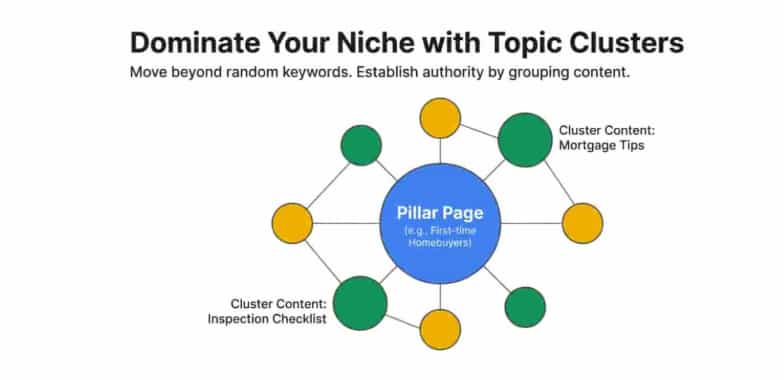
Group related content around core themes using a topic cluster approach. Begin with a pillar page targeting high-volume keywords and create supporting cluster pages with related long-tail keywords.
This structure establishes your authority on a topic and improves internal linking, enhancing SEO. For example, a Toronto real estate company might create a pillar post on “first-time homebuyers in Toronto,” supported by clusters like “Toronto mortgage tips” or “home inspection checklist.” Organizing content in this way helps search engines understand your site’s relevance and offers visitors a clear, engaging path to explore related information.
Analyze Competitors and SERPs
Research what content currently ranks for your target keywords. Examine the type of content competitors provide and their authority level. If large publishers dominate, consider targeting more specific or local search phrases that match user intent.
For instance, instead of “best restaurants in Toronto,” try “authentic Italian restaurants in downtown Toronto.” Multi-channel optimization, including YouTube, TikTok, and other platforms, can expand reach. Competitor analysis provides insights into content gaps and opportunities. JavaLogix helps Toronto businesses identify strategic keywords and create content that effectively competes in both local and broader search results.
Create Optimized Content
Produce high-quality, original content tailored to your audience and keyword research. Include target keywords in titles, meta descriptions, URLs, headers, and naturally within the text. Enhance posts with visuals like images, videos, and infographics, using keyword-rich alt tags.
Internal links to related content improve navigation and SEO. Focus on creating engaging content that addresses user intent while standing out from AI-generated material. By crafting informative, well-structured content, your Toronto business can increase search visibility, keep readers engaged, and drive conversions. JavaLogix can guide content creation for maximum results.
Maintain Consistent Content Creation
Develop a content calendar to ensure regular posting. Even one well-researched blog per month can support sustainable organic growth. Track content performance, including engagement, traffic, and conversions, to adjust future efforts.
Not every piece must fit a topic cluster; address recurring questions or trends in your industry to meet user needs. Consistency builds authority, trust, and audience loyalty. For Toronto businesses, staying active with high-quality content signals reliability to both users and search engines. JavaLogix can help plan and manage consistent content creation that aligns with your business goals and local SEO strategy.
Align Content with the Marketing Funnel
Design content for each stage of the customer journey. Top-of-funnel content should be informational, helping users learn or explore solutions. Mid-funnel content addresses comparisons or guides, while bottom-of-funnel content focuses on conversions, such as product pages or service inquiries.
Aligning content with the funnel ensures users find relevant information at each stage, increasing the likelihood of engagement and conversion. Proper planning strengthens your overall SEO content strategy. Toronto businesses working with JavaLogix can benefit from tailored content that meets audience needs while guiding users smoothly through the conversion process.
Implement a Backlinking and PR Strategy
Distribute content through social media, partnerships, and outreach to local businesses, industry influencers, or journalists. Secure backlinks from reputable sources to increase site authority and drive traffic. Consider guest posts, collaborations, or becoming a media resource for expert insights.
Backlinking enhances your SEO performance while promoting brand recognition. For Toronto businesses, connecting with local networks and authoritative publications can amplify content reach and credibility. JavaLogix supports clients in developing effective backlinking and PR strategies that complement a comprehensive SEO content plan, ensuring long-term visibility and growth.
How to Write Content That Ranks
Start with Strategic Keyword Research
Successful SEO begins with identifying the keywords your audience actually searches for. Use tools like LowFruits to uncover low-competition keywords by analyzing SERP weaknesses, perfect for new sites aiming to rank quickly. Complement this with Google Keyword Planner for search volume insights and Semrush for competitive analysis. Build a balanced keyword strategy:
- Primary Keywords: Core topics, e.g., “sustainable living.”
- Secondary Keywords: Related terms, e.g., “eco-friendly lifestyle.”
- LSI Keywords: Contextual phrases, e.g., “green habits.”
This approach helps search engines understand the relevance of your content while guiding topic creation for your audience.
Audit Existing Content for Gaps
Review your current website content to find gaps in topics, keywords, or user intent. Tools like LowFruits can pinpoint opportunities by highlighting where SERPs lack comprehensive coverage. Filling these gaps not only improves SEO authority but also enhances user experience by providing thorough, valuable information.
Plan Content Types, Formats, and Publishing Calendar
Develop a content plan that aligns with audience interests and search intent. Include diverse formats such as blogs, videos, infographics, and podcasts to appeal to different preferences. Use a publishing calendar in tools like Trello or Asana to maintain consistency, ensure timely posting, and keep your audience engaged. A structured schedule boosts SEO by signaling regular updates to search engines.
Optimize for On-Page SEO
On-page optimization ensures search engines understand and rank your content. Focus on:
- Title Tags & Meta Descriptions: Include target keywords and make them compelling to increase click-through rates.
- Headings (H1, H2, H3): Organize content clearly for readability and indexing.
- Internal Linking: Connect to related pages to distribute authority and improve navigation.
- URL Structure: Keep URLs clean, descriptive, and keyword-rich.
Plugins like AIOSEO provide AI-powered tools such as Writing Assistant and Link Assistant to streamline on-page SEO directly in WordPress.
Write for Humans, Optimize for Search Engines
Engaging content is key. Avoid keyword stuffing and integrate terms naturally. Follow Google’s E-E-A-T principles: Experience, Expertise, Authoritativeness, and Trustworthiness. Share personal insights, cite reliable sources, and remain transparent to build credibility. Well-written content satisfies readers and signals authority to search engines.
Incorporate Multimedia for Engagement
Enhance content with images, videos, and infographics. Multimedia improves comprehension, breaks up text, and keeps readers engaged longer; a metric search engines favor. Optimize visuals with descriptive filenames, alt text, and proper file sizes to ensure fast page loads and SEO benefits.
Implement Strategic Internal Linking
Use descriptive anchor text to connect relevant pages across your site. Internal links guide visitors, increase page views, and establish a content hierarchy for search engines. Proper linking also distributes page authority, improving rankings for linked content.
Monitor Performance and Iterate
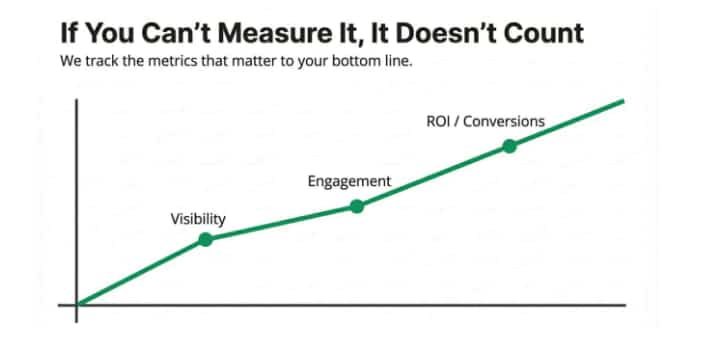
Track your content performance using Google Analytics and Google Search Console. Monitor metrics like organic traffic, bounce rate, and session duration to assess engagement. Use these insights to refine your content strategy, update outdated pages, and optimize underperforming content for continual SEO growth.
How to Measure the Effectiveness of Your SEO Content Strategy
Investing time and resources into SEO is only worthwhile if you can track its impact. Measuring the performance of your content is essential for understanding what works, identifying opportunities for improvement, and refining your strategy for better results.
Monitor Keyword Rankings
Track how your website performs in search results for target keywords. Use tools like SEMRush, RankWatch, SERPWatcher, and Google Search Console to see which pages are ranking, for which keywords, and how your rankings change over time. Monitoring keyword performance helps you adjust content and stay competitive.
Analyze Organic Traffic and Engagement
Check the number of visitors coming from organic search and review engagement metrics such as time on page, bounce rate, and pages per session. Tools like Google Analytics provide these insights, helping Toronto businesses understand how users interact with their content and which pages attract the most interest.
Measure Conversions
Determine whether your content drives actions such as form submissions, newsletter signups, or purchases. Set up conversion goals in Google Analytics to track the customer journey from landing page to completed action. This ensures your content not only attracts visitors but also generates tangible results.
Track Social Shares and Referrals
Social engagement is another key indicator of content performance. Track shares, likes, and comments using tools like Hootsuite, Buffer, Sprout Social, or native platform analytics. High engagement signals that your content resonates with your audience and can improve visibility and credibility.
Regularly monitoring these metrics allows you to refine your SEO content strategy, increase organic traffic, and grow your Toronto business online.
Partnering with JavaLogix for SEO Success
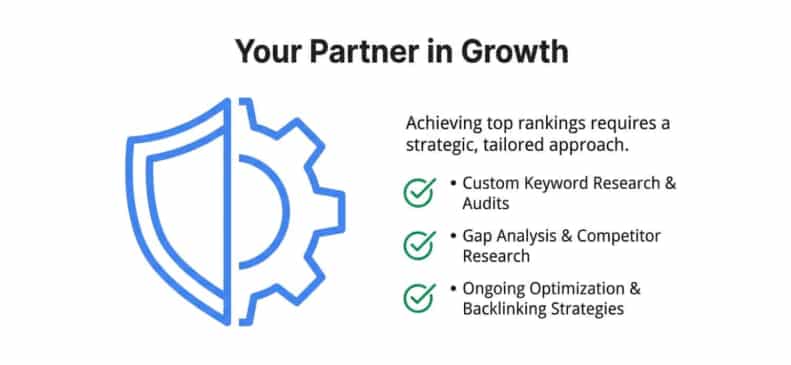
Achieving top search rankings and driving meaningful traffic requires more than generic content. It takes a strategic, tailored approach. Partnering with JavaLogix gives your business the expertise needed to build a high-performing SEO content strategy that delivers real results. Their team specializes in custom keyword research, identifying the terms your target audience actually searches for and ensuring your content connects with potential customers.
JavaLogix also conducts comprehensive content audits, uncovering gaps and opportunities in your existing content to maximize impact. From engaging blog posts and guides to videos and infographics, they help you create diverse content that keeps your audience informed and returning for more.
What truly sets them apart is their focus on ongoing optimization. They continuously monitor performance, adjust strategies, and leverage advanced analytics to guide data-driven decisions. Staying current with the latest SEO trends, JavaLogix ensures your Toronto business maintains a competitive edge while increasing visibility, traffic, and conversions.
Take the next step in growing your online presence; partner with JavaLogix today and turn your content into a powerful engine for business growth.

Frequently Asked Questions
What does SEO content strategy mean?
SEO content strategy is about planning and creating content that helps your website show up better in search results. It involves understanding your audience, using the right keywords, and ensuring the content is high-quality and relevant.
How do I find the right keywords for my content?
To find the right keywords, use tools like Google Keyword Planner or Ubersuggest. Look for words or phrases that people search for related to your topic, and consider factors like search volume and competition.
Why is it important to create content that converts?
Creating content that converts is key because it turns visitors into customers. Good content not only brings people to your site but also encourages them to take actions like signing up or making a purchase.
How often should I update my content?
You should update your content regularly to keep it fresh and relevant. Depending on your industry, it might be good to review it every few months or whenever there’s new information to share.
What are some tips for writing engaging content?
To write engaging content, start with a catchy headline, use a friendly tone, break up text with images or bullet points, and always focus on providing value to your readers.
TL;DR An effective SEO content strategy is vital for boosting online visibility, driving traffic, and converting visitors. It involves understanding user intent, conducting keyword research, creating diverse content types, and optimizing for search engines. By measuring performance through key metrics like organic traffic and engagement, businesses can refine their approach. Partnering with professionals like JavaLogix can further enhance your SEO efforts, ensuring a well-rounded strategy that delivers results.